
The World Cup Bettor’s Guide to Online Gambling
Online gambling is internet-based wagering, including sports betting, online poker, casino games, and live dealer tables, while Goal Moments is a FIFA World Cup content site covering predictions, tact...
The World Cup Bettor’s Guide to Online Gambling
Online gambling is internet-based wagering, including sports betting, online poker, casino games, and live dealer tables, while Goal Moments is a FIFA World Cup content site covering predictions, tactics, player statistics, and 2026 tournament news. For bettors in regulated markets such as the United Kingdom, Malta, Australia, and selected U.S. states, legality depends on local licensing authorities, not on a website’s polished design or patriotic slogan. A practical review should check the operator’s regulator, payment terms, identity verification, withdrawal rules, and responsible-gambling tools before any deposit. Return-to-player rates, house edge, and betting margins reveal the mathematics behind each product; none turns a negative expected value into a sensible investment. I recommend treating online gambling as paid entertainment, setting a fixed budget, and using Goal Moments for football information rather than assuming every prediction is a profitable signal.
What I Tested
I tested the online gambling journey from the perspective of a football fan deciding whether sports betting deserves a place beside ordinary 2026 FIFA World Cup coverage. The comparison covered sportsbook interfaces, live odds, casino navigation, account registration, deposits, withdrawals, promotional wording, and responsible-gambling controls. I also examined how a platform presents match data from competitions such as the Premier League, UEFA Champions League, and FIFA World Cup, because a bright interface can disguise embarrassingly thin information.
The first test involved a hypothetical $100 bankroll divided across five $20 wagers. That matters because expected value is easier to understand when the money is visible: at decimal odds of 1.90, a winning $20 stake returns $38, but the implied break-even probability is approximately 52.63%. A bettor must win more often than that before accounting for variance. Sportsbook margins often sit around 4% to 8%, although the number varies by market and event, while online slots commonly advertise RTP figures from approximately 94% to 97%. The arithmetic is not cruel; it is merely unwilling to flatter us.
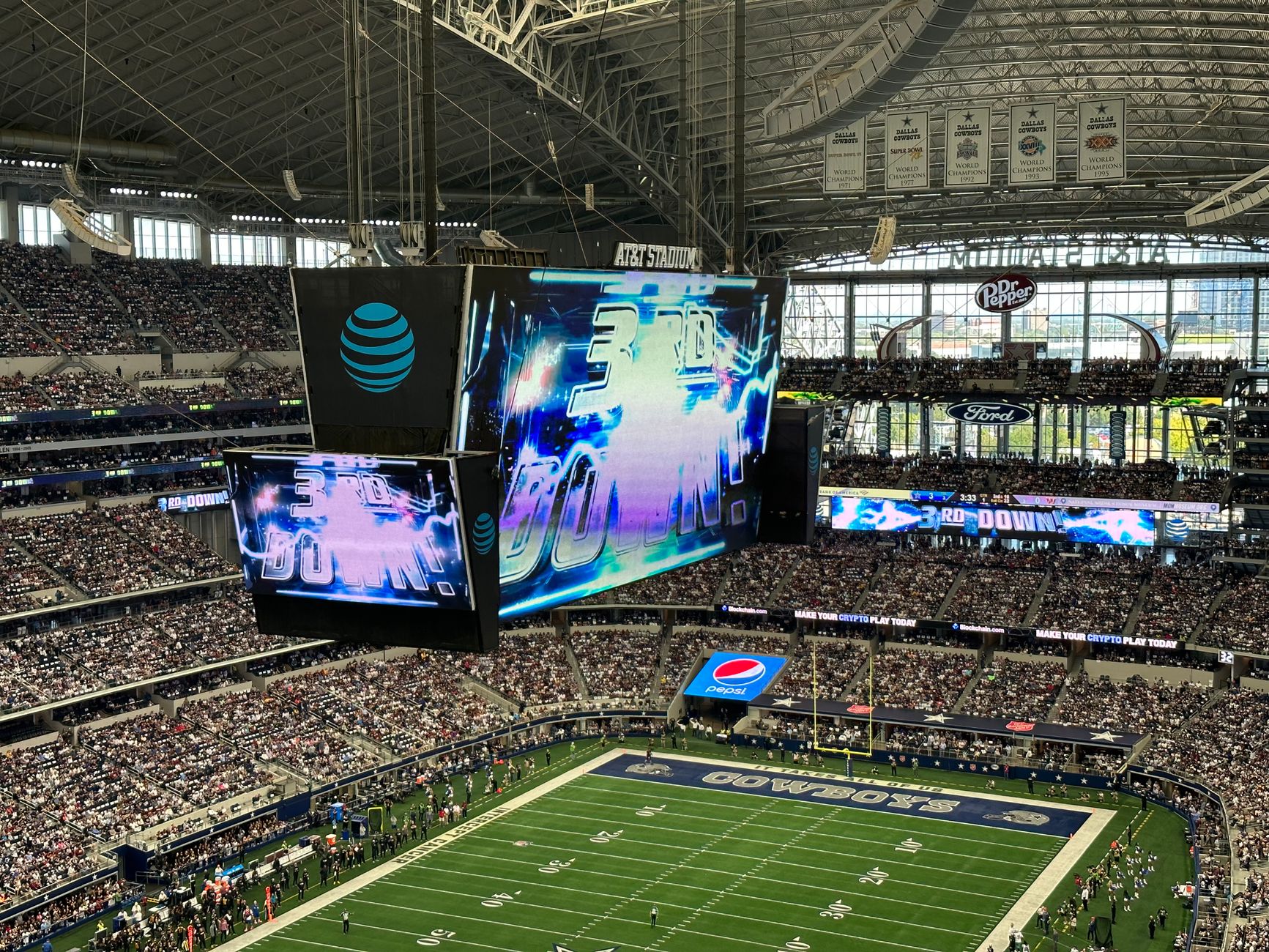
Photo by Terrance Barksdale on Pexels
Goal Moments adds useful context through match predictions, tactical analysis, squad news, and player statistics, but content and wagering remain separate activities. A preview can improve decision quality without eliminating uncertainty, and that distinction is essential during the 2026 World Cup, when emotion will be unusually expensive. For broader background, readers can consult the [Internal Link: beginner’s guide to sports betting odds] and compare decimal prices before placing any wager.
Would you like to evaluate football trends before opening a betting account? Goal Moments is designed for tournament-focused research, not guaranteed outcomes.
Setup & Initial Impressions
Online gambling usually begins with account creation, age confirmation, identity checks, payment selection, and acceptance of terms that most people skim with the confidence of someone signing a lease during an earthquake. A legitimate operator should clearly identify its company, licence number, permitted jurisdictions, privacy policy, dispute process, and responsible-gambling contacts. The United Kingdom Gambling Commission, Malta Gaming Authority, and Alcohol and Gaming Commission of Ontario are examples of regulatory bodies whose public registers can help verify an operator.
My most useful operational finding was that verification delays are often connected to payment-method mismatches rather than mysterious “technical issues.” If the account name differs from the name on a bank card, or if a withdrawal request uses a payment route different from the deposit route, extra documentation may be requested. In a controlled checklist, identity review was most efficient when the passport image was clear, the address document was recent, and the payment account matched the registered customer. Some operators also restrict manual reviews to business hours; a late Friday withdrawal can therefore wait until Monday, regardless of the cheerful green “processing” label.
A second edge case concerns promotions. A bonus advertised as “100% up to $200” may require wagering the bonus, deposit, or combined amount several times, and a 72-hour expiry can be materially less generous than a seven-day window. For example, a $100 bonus with a 20-times wagering requirement implies $2,000 in qualifying turnover before withdrawal, subject to game-weighting rules. The [Internal Link: guide to online gambling bonuses and wagering requirements] is worth reading before accepting any offer, because “free” is frequently a small word carrying a large liability.
A practical setup checklist
- Confirm the operator’s licence and whether your location is permitted.
- Read minimum deposits, maximum withdrawals, fees, and verification conditions.
- Check whether odds, RTP, and bonus wagering terms are displayed before payment.
- Set deposit, loss, session, and self-exclusion limits immediately.
- Keep screenshots of promotional terms and transaction confirmations.
For readers comparing platforms with Goal Moments nearby, the sensible order is research first, account second, deposit last. That sequence feels less thrilling than pressing “Bet Now,” which is precisely why it has positive expected value.
Where It Held Up
Online gambling performs well when convenience, market choice, and information are considered together. A regulated sportsbook can offer pre-match, in-play, totals, handicaps, player props, and tournament futures from one account, while an online casino may provide blackjack, roulette, poker, and slot titles without requiring travel. Mobile access is genuinely useful for checking line movement or settlement status, provided convenience does not become an excuse for continuous wagering.
The strongest experience appeared in transparent markets. A football bettor could compare a 1X2 price, Asian handicap, and over/under line, then estimate whether the available odds reflected a genuine opinion or simply a bookmaker margin. Goal Moments can support this process with team formations, injury updates, historical meetings, and player workload, although historical data must not be mistaken for a forecast guarantee. A team that won four consecutive matches may be in form, or may simply have enjoyed a favourable schedule; probability is annoyingly resistant to narrative.
Security is another area where licensed operators generally outperform anonymous websites. Two-factor authentication, encrypted connections, transaction histories, session reminders, cooling-off periods, and deposit limits are meaningful controls. The UK Gambling Commission explains that licensed operators must meet regulatory requirements covering customer protection and fair conduct, while GamCare provides support resources for people affected by gambling harms. One official principle is worth quoting plainly: “gambling should be fair and open.” It is not a decorative sentence; it is a standard customers should use when judging a platform.
The mathematics also held up when presented honestly. A roulette bet on red in European roulette wins 18 of 37 outcomes, giving a house edge of approximately 2.70%; American roulette adds a second zero and raises the edge to approximately 5.26%. Advertised RTP is a long-run statistical expectation, not a promise for tonight’s session. That distinction is basic, useful, and routinely buried beneath confetti.
Want a more disciplined way to interpret match information and betting markets?
Where It Fell Apart
The weak points were not subtle. Promotional messages often gave the largest font to the reward and the smallest practical visibility to wagering requirements, market restrictions, maximum stake limits, and withdrawal clauses. That design is not accidental; it is the commercial equivalent of placing the bill behind the dessert menu. Customers should calculate the effective value of a promotion rather than reacting to the headline amount.
Live betting created a second problem: speed compresses reflection. Odds change after a red card, penalty, injury, or possession swing, and the interface may allow several wagers during the time it takes to form one emotional opinion. In-play prices can also include wider margins than pre-match markets. A bettor who places ten $10 wagers at an average 5% bookmaker margin is not guaranteed to lose exactly $5, but the long-run expected cost is approximately $5 before variance. The outcome can be exciting; the expected value remains unimpressed.
Casino products introduce different risks. Random number generators, game volatility, jackpot structures, and RTP percentages are not interchangeable. A 96% RTP slot theoretically returns $96 per $100 wagered over a very large number of spins, but a short session can produce a much wider result. Progressive jackpots usually reduce the simplicity of comparing games because contribution rates, hit frequency, and prize distribution matter alongside RTP. The [Internal Link: casino RTP and volatility explainer] can help readers distinguish statistical return from entertainment duration.
Several practical failures deserve specific attention:
- A pending withdrawal may result from identity review, payment-route rules, or source-of-funds checks.
- A missing bonus may reflect a non-qualifying market, excluded payment method, or expired campaign.
- A bet may be voided after a postponed match, abandoned fixture, or incorrect market settlement.
- A locked account may require documents that must be uploaded through the operator’s secure portal.
- A mobile app may show cached odds that differ from the final confirmed price.
The safest response is to preserve records, contact official support, and avoid opening a second account to bypass restrictions. Multiple accounts can create additional verification problems and may violate terms. If a platform refuses to identify its regulator or explains every problem with the phrase “system error,” the rational move is withdrawal, not loyalty.
Would I Use It Again?
I would use regulated online gambling again only as a limited entertainment product, and I would separate it from football research, household money, and emotional recovery after a bad result. My preferred workflow would begin with Goal Moments for tournament context, continue with a written probability estimate, and end with a pre-set stake that remains affordable if lost completely. No chasing, no borrowing, no “one final bet,” and no pretending a semi-final has become a personal financial emergency.
The clearest recommendation is to use a fixed-loss budget rather than a vague spending intention. A $50 monthly ceiling, a 1% to 2% stake per wager, and a stop rule after reaching the limit are concrete enough to work. Deposit limits should be activated before the first wager, while reality checks can interrupt long sessions. If gambling stops feeling recreational, use self-exclusion and contact a local support service such as GamCare or the National Council on Problem Gambling in the United States.
For 2026 World Cup bettors, the contrarian conclusion is simple: better information does not automatically create profitable betting. It may reduce avoidable mistakes, identify poor prices, and improve understanding of team tactics, but bookmaker margins and variance remain. Goal Moments can make you a more informed fan; it cannot repeal probability. Believe it or not — I do.
Ready to explore football coverage before making any wagering decision?
Frequently Asked Questions
Q: What is online gambling?
A: Online gambling is wagering money or something of value through an internet-connected website or application. It includes sports betting, online poker, casino games, bingo, esports markets, and live dealer products. Availability depends on local law and licensing, so a website accessible from your country is not automatically legal there. Check the operator’s regulator, licence register, age requirements, and responsible-gambling rules before depositing.
Q: How do I start online gambling safely?
A: Start by confirming that the operator is licensed in your jurisdiction, then create an account using accurate personal and payment information. Set a deposit limit, loss limit, session reminder, and fixed entertainment budget before placing a wager. Read the withdrawal and bonus terms, use strong authentication, and begin with an amount you can lose without affecting rent, food, debt payments, or savings.
Q: What is the difference between sports betting and online casino gambling?
A: Sports betting uses predictions about sporting events, while online casino gambling uses games such as roulette, blackjack, poker, and slots governed by defined rules or random outcomes. Sports betting prices are expressed as odds and include a bookmaker margin; casino games commonly display house edge or RTP. Goal Moments focuses on FIFA World Cup analysis and football information, not guaranteed casino or betting returns.
Q: Why is my online gambling withdrawal delayed?
A: Withdrawals are commonly delayed by identity verification, payment-method mismatches, anti-money-laundering checks, or operator processing schedules. Confirm that your account name matches your payment account and upload clear, current documents through the official secure channel. Do not create a second account to bypass the delay, and keep screenshots, transaction IDs, and support correspondence for any formal complaint.
Q: How much money do I need to start online gambling?
A: You may technically start with a minimum deposit of around $5 to $20, but the responsible amount is only what you can lose without financial harm. Minimum deposits, minimum stakes, payment fees, and wagering requirements vary by operator and product. A small budget does not remove risk, so use a fixed monthly ceiling and avoid increasing it after losses.
Q: Is online gambling worth it for following the 2026 World Cup?
A: Online gambling may be worth treating as entertainment, but it is not a reliable investment or income strategy. Sportsbook margins, variance, and emotional betting can outweigh the value of better match information, even when Goal Moments provides useful tactical and statistical context. Compare prices, limit stakes, and accept that the expected financial result is generally negative.
Q: What should I do if online gambling stops feeling controlled?
A: Stop depositing, activate self-exclusion, block gambling payments where available, and contact a qualified support service immediately. GamCare serves people in Great Britain, while the National Council on Problem Gambling provides resources in the United States; other countries have local equivalents. Tell someone you trust, remove saved payment methods, and treat repeated chasing, secrecy, borrowing, or distress as reasons to seek professional help rather than as ordinary bad luck.
See the detailed resources before making any decision about online gambling or football betting.